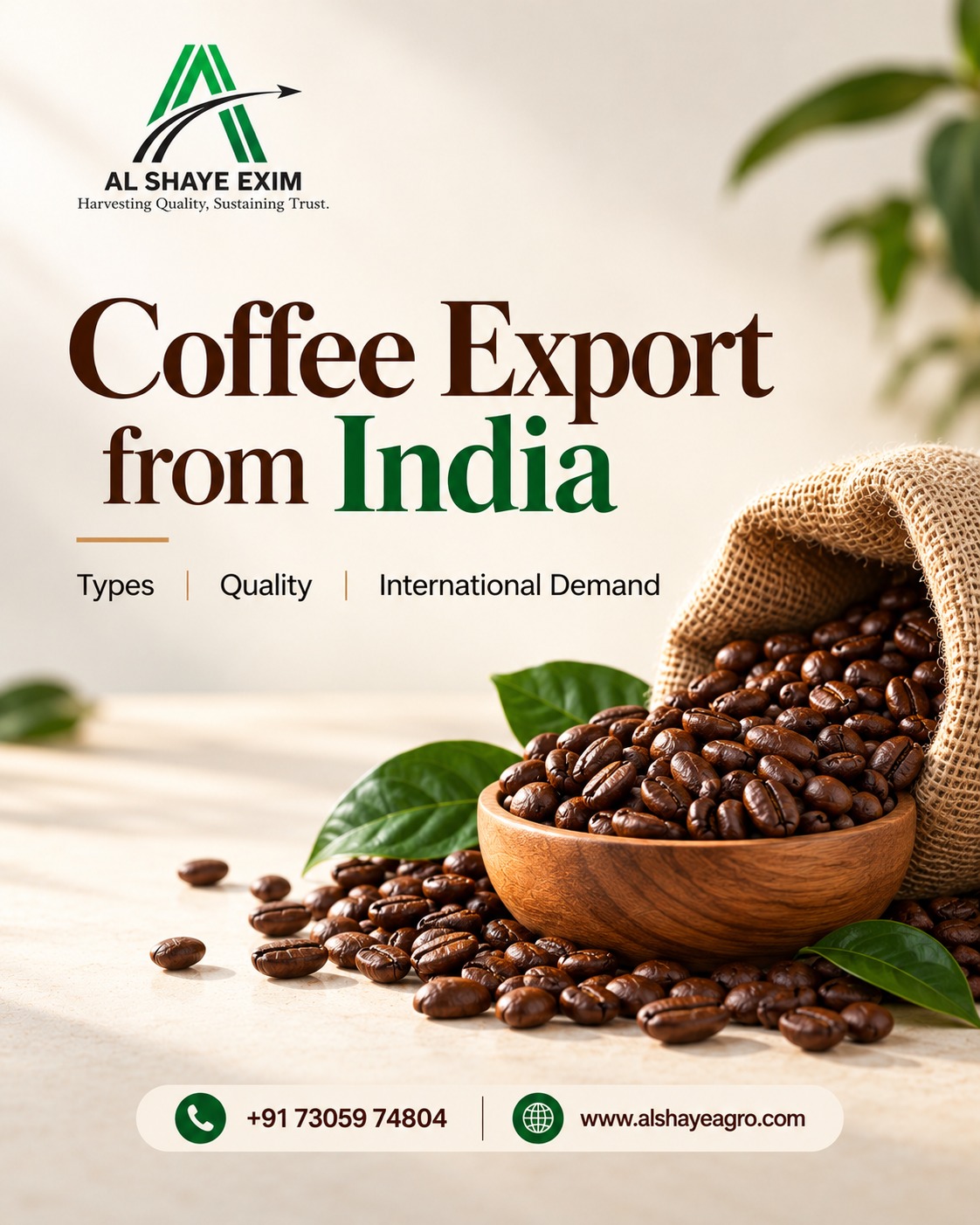
India has established a strong presence in the global coffee trade, supplying coffee beans and processed coffee products to buyers across international markets. Known for its distinctive growing regions, diverse coffee varieties and established processing industry, India offers opportunities for importers, distributors, roasters and private-label coffee brands.
The growing interest in specialty beverages, convenient coffee products and traceable sourcing is creating new opportunities for the Indian coffee export industry. For international buyers, understanding coffee varieties, quality requirements, packaging options and export procedures is essential when selecting a reliable supplier.
In this guide, we explore the major types of Indian coffee, the factors that influence export quality, emerging market trends and important considerations for sourcing coffee from India.
Why Is Indian Coffee in Demand in International Markets?
Indian coffee benefits from a combination of suitable growing conditions, established plantation expertise and a diverse product portfolio. Coffee is cultivated mainly in Karnataka, Kerala and Tamil Nadu, with additional production in other suitable regions.
India produces two major commercial varieties: Arabica and Robusta. It also has a developed processing sector that supplies instant coffee and other value-added products to international customers.
According to India's Ministry of Commerce and Industry, coffee export earnings reached approximately This growth highlights the importance of coffee in India's agricultural export sector.
International buyers can explore different sourcing options depending on their requirements, including green coffee beans for roasting, Robusta for commercial blends, Arabica for selected flavour profiles and instant coffee for convenient beverage applications.
Types of Coffee Exported from India
1. Arabica Coffee
Arabica coffee is valued for its varied flavour characteristics, aroma and potential complexity. Depending on the growing region, processing method and roast profile, it can offer notes ranging from mild and nutty to fruity and chocolate-like.
Arabica is commonly used in specialty coffee, premium retail products and selected espresso blends.
Best suited for: Specialty roasters, premium coffee brands, cafés and buyers seeking distinctive flavour profiles.
2. Robusta Coffee
Robusta is an important part of India's coffee production and export portfolio. It is generally associated with a stronger flavour, higher caffeine content than Arabica and a fuller body.
It is widely used in espresso blends, commercial coffee products and instant coffee manufacturing. The exact cup characteristics depend on bean quality, processing, storage and roasting.
Best suited for:*Coffee roasters, commercial beverage manufacturers, instant coffee producers and bulk importers.
3. Green Coffee Beans
Green coffee refers to unroasted coffee beans supplied for further processing. Importers and roasting companies purchase green coffee to develop their own roasting profiles, blends and finished products.
Buyers should evaluate bean grade, moisture content, defect levels, screen size where applicable, crop information and consistency between shipments.
Best suited for:** Coffee roasters, wholesalers, manufacturers and importers with in-house processing facilities.
4. Instant Coffee
Instant coffee is a convenient, soluble coffee product used in homes, offices, hospitality businesses, vending systems and food manufacturing.
India has an established instant coffee export industry. According to government reporting, value-added products have become an important contributor to the country's coffee export earnings.
Buyers may evaluate spray-dried or freeze-dried products according to their intended application, solubility, aroma, flavour, packaging requirements and commercial specifications.
Best suited for:** Beverage brands, private-label businesses, distributors, hospitality suppliers and food manufacturers.
5. Roasted and Ground Coffee
Roasted and ground coffee is supplied in formats designed for retail consumption, cafés, food-service operations and commercial brewing.
For international buyers, important considerations include roast level, grind size, freshness, shelf life, packaging barrier properties and compatibility with the intended brewing method.
Best suited for:** Retail coffee brands, cafés, restaurants, hotels and private-label businesses.
Coffee Quality Standards: What International Buyers Should Check
Quality is one of the most important factors when sourcing coffee for export. A product that meets a buyer's taste preferences must also satisfy the agreed technical specifications, applicable food regulations and destination-market requirements.
Bean Quality and Grading
Coffee grading may consider bean size, appearance, defects and other characteristics according to the product specification and relevant grading system. Buyers should agree on the required grade before confirming an order.
Moisture Content and Storage
Appropriate moisture management helps protect green coffee during storage and transportation. Packaging, warehouse conditions and shipping duration should be considered when planning an export consignment.
Aroma and Cup Profile
The aroma, body, acidity, bitterness and flavour of coffee can vary by variety, growing region, processing technique and roast profile. Pre-shipment samples and agreed evaluation methods can help buyers assess product suitability.
Food Safety and Traceability
Importers should verify the applicable food-safety requirements, product documentation and traceability information for their destination market. Certifications should only be claimed when they are valid and relevant to the specific product or supplier.
Packaging and Shipment Consistency
Coffee packaging should protect the product against moisture, contamination and handling damage. Depending on the product, buyers may require suitable food-grade bags, bulk packaging, sealed retail packs or other agreed formats.
Maintaining consistency between the approved sample and the final shipment is essential for long-term business relationships.
Global Coffee Export Trends to Watch
Growing Interest in Value-Added Coffee
The international coffee trade is not limited to raw beans. Instant coffee, roasted coffee and other processed products allow businesses to target different customer segments and product applications.
India's established processing industry creates opportunities for importers interested in sourcing products beyond green coffee. The right option depends on production capabilities, specifications, pricing and the buyer's market.
Demand for Convenient Coffee Products
Busy lifestyles and the growth of office, travel and hospitality consumption support interest in convenient coffee formats. Instant coffee and ready-to-use products can serve consumers who prioritise preparation speed and consistent results.
Specialty Coffee and Distinctive Origins
Specialty coffee buyers increasingly focus on flavour, origin information, processing methods and consistency. Suppliers that can provide reliable product details and representative samples may be betterpositioned to serve this segment.
Responsible Sourcing and Traceability
Sustainability, supply-chain transparency and origin traceability are increasingly relevant to international coffee procurement. Buyers may request information about sourcing locations, production practices and applicable certifications.
Requirements differ by destination and customer, so exporters and importers should verify the rules that apply to each transaction.
Diversification of International Markets
Indian coffee reaches buyers in established markets across Europe and other regions, while demand in additional markets can create opportunities for suppliers and distributors.
Italy, Germany and Russia have featured among India's important coffee export destinations in recent trade reporting. However, the most suitable market for an exporter depends on the product type, buyer demand, logistics, pricing and regulatory requirements.
How to Choose a Reliable Indian Coffee Exporter
Choosing the right supplier involves more than comparing quotations. Importers should evaluate the exporter's product knowledge, communication, documentation and ability to meet agreed specifications.
Before placing an order, consider the following:
- Product specifications:** Confirm variety, grade, processing method, origin information and quantity.
- Samples:** Request a representative sample and evaluate it against your requirements.
- Quality documentation:** Agree on inspection methods, testing requirements and the documents needed for your market.
- Export readiness:** Confirm the supplier's ability to manage packing, shipment coordination and applicable export formalities.
- Commercial terms:** Review price, minimum order quantity, payment terms, lead time and delivery arrangements.
- Packaging:** Specify the packaging format, labelling, storage requirements and any private-label needs.
- Regulatory compliance:** Verify applicable import rules, certificates and food-safety requirements before shipment.
A clear purchase specification and written agreement can reduce misunderstandings and help establish a more dependable supply relationship.
The Coffee Export Process from India
A typical coffee export transaction follows several stages. The exact process depends on the product, destination and agreed trade terms.
Step 1: Identify the product.** Select Arabica, Robusta, green coffee, instant coffee or another suitable product.
Step 2: Confirm buyer requirements.** Agree on specifications, quantity, packaging, destination and applicable standards.
Step 3: Evaluate samples and pricing.** Review product suitability and confirm the commercial quotation.
Step 4: Finalise documentation.** Arrange the applicable export and shipment documents, which may include a commercial invoice, packing list, shipping documentation, certificate of origin or phytosanitary documentation where required.
Step 5: Arrange packing and logistics.** Confirm packaging, cargo handling, transport arrangements and shipment schedules.
Step 6: Complete shipment and follow-up.** Coordinate dispatch, share relevant documents and maintain communication with the buyer.
Exporters should confirm current legal, customs and destination-specific requirements before dispatching any consignment.
Why Partner with Al Shaye Exim for Coffee Sourcing?
For businesses exploring coffee sourcing from India, a clear understanding of product specifications, communication and shipment requirements is essential.
Al Shaye Exim focuses on connecting agricultural products with international business opportunities. Buyers interested in coffee sourcing can use the enquiry process to discuss their requirements, preferred product type, quantity, packaging and destination market.
Before confirming an order, buyers should verify the availability of the requested coffee, applicable specifications, quality documentation, commercial terms and shipment arrangements.
Whether you are an importer, distributor, roaster or private-label business, defining your sourcing needs clearly can help you evaluate suitable supply options.
Frequently Asked Questions About Coffee Export from India
Which types of coffee does India export?
India exports Arabica and Robusta coffee, along with green coffee beans, instant coffee and smaller quantities of roasted and ground coffee.
Which Indian states produce coffee?
Karnataka is India's leading coffee-producing state, followed by Kerala and Tamil Nadu. Coffee is also cultivated in other suitable regions.
What should importers check before buying Indian coffee?
Importers should check the variety, grade, moisture specifications, flavour profile, packaging, documentation, destination-market compliance and shipment terms.
Is instant coffee exported from India?
Yes. India has an established instant coffee export industry, supplying products for a range of retail, food-service and commercial applications.
How can a buyer start sourcing coffee from India?
A buyer can begin by defining the required product, quantity, quality specifications, packaging and destination. The next steps are to request samples, evaluate the quotation and confirm documentation and logistics.
Conclusion
Coffee export from India offers a broad range of sourcing possibilities, from green Arabica and Robusta beans to instant and roasted coffee products. Understanding product quality, export documentation, market preferences and responsible sourcing can help international buyers make better procurement decisions.
As the global coffee industry evolves, suppliers and buyers can benefit from clear specifications, transparent communication and a focus on consistent quality.
Looking for agricultural export opportunities from India?
Contact Al Shaye Exim to discuss your product sourcing requirements.
Phone: +91 73059 74804
Website: www.alshayeagro.com